If you’ve spent any time scrolling through chats, anime forums, TikTok comments, or gaming communities, you’ve probably seen the word “chan” pop up and maybe wondered what it actually means.
Is it a nickname?
A slang term?
Or something deeper rooted in internet culture?
Understanding chan meaning in text is more important than ever in 2026 because online language is evolving rapidly.
Slang travels across cultures at lightning speed, especially from Japanese pop culture into global digital spaces.
What started as a cultural honorific has now become a widely used term in texting, memes, and social media conversations.
In this guide, you’ll learn everything you need to know about chan meaning, how to use it correctly, when to avoid it, and how it fits into modern texting culture.
Whether you’re chatting with friends, posting online, or just trying to keep up with internet slang, this article will help you stay ahead.
What Does “Chan” Mean? (Definition & Origin)
Basic Definition of Chan Meaning
“Chan” (ちゃん) is a Japanese honorific suffix added to names. It is commonly used to express:
- Affection
- Cuteness
- Closeness or familiarity
In simple terms:
“Chan” = a cute or affectionate way to refer to someone
Origin of the Word “Chan”
The term comes from the Japanese language and is often used:
- For children
- Between close friends
- Toward pets
- Sometimes for girls or loved ones
For example:
- “Sakura-chan” → A cute, friendly way to address someone named Sakura
How It Became Internet Slang
Through anime, manga, and global fandoms, “chan” spread beyond Japan and became popular in:
- Online gaming communities
- Anime fandoms
- Social media platforms like TikTok, Discord, and Instagram
Now in texting, “chan” is used playfully even by non-Japanese speakers.
How to Use “Chan” in Texts or Chat
Using chan in text messages is fairly simple—but context matters.
✅ Common Ways to Use Chan
- As a Cute Nickname
- “Hey, Sara-chan 💖”
- Adds a sweet, playful tone
- To Show Affection
- “Good morning, bestie-chan!”
- Used among close friends or partners
- In Anime-Inspired Chats
- “Arigato, Mika-chan!”
- Often mixed with other Japanese words
- Playful Internet Roleplay
- “Notice me, senpai-chan 😳”
❗ When NOT to Use Chan
- In formal conversations
- With people you don’t know well
- In professional settings
- Without understanding cultural context
Using it incorrectly can feel awkward or even disrespectful.
Examples of “Chan” in Conversations
Let’s look at some real-life texting examples to understand how “chan” works:
Casual Chat Between Friends
- A: “Are you coming today, Ali-chan?”
- B: “Of course 😄”
Cute/Flirty Conversation
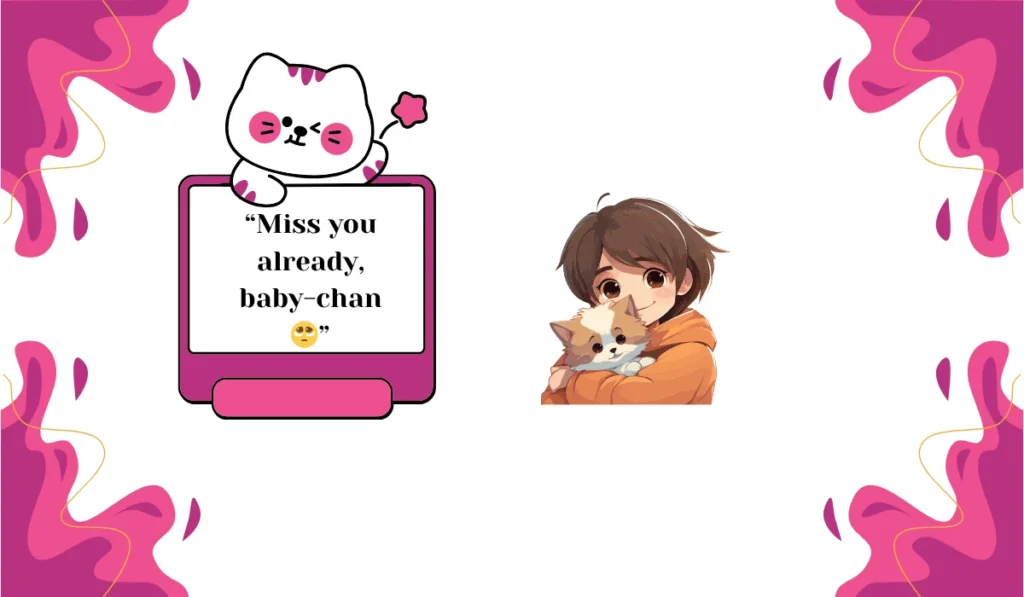
- “Miss you already, baby-chan 🥺”
Anime Fan Chat
- “Naruto-chan deserved better 😭”
Gaming or Discord Chat
- “GG, pro-chan 🔥”
Common Mistakes or Misunderstandings
Even though chan meaning in text seems simple, people often misuse it.
❌ Mistake #1: Using Chan Randomly
Not every name needs “chan.”
- Wrong: “Boss-chan, I finished the report”
- Correct: Avoid in professional tone
❌ Mistake #2: Confusing It With “Senpai”
- Chan = cute/friendly
- Senpai = senior/respected person
❌ Mistake #3: Overusing It
Using “chan” in every sentence can feel forced or cringe.
❌ Mistake #4: Ignoring Cultural Context
“Chan” is part of Japanese culture using it mockingly or incorrectly can offend some people.
Related Slangs or Abbreviations
To fully understand chan meaning, it helps to know similar internet terms:
Kun (くん)
- Used for boys or younger males
- Example: “Taro-kun”
Senpai (先輩)
- Someone senior or admired
- “Notice me, senpai!”
San (さん)
- Polite, neutral suffix
- Equivalent to “Mr./Ms.”
Waifu
- Fictional female character you love
UwU / OwO
- Cute emoticons often used with “chan”
💡 Internal Linking Suggestions (for SEO)
You can link this article to:
- “Senpai Meaning in Text”
- “UwU Meaning Explained”
- “Waifu Meaning in Anime Culture”
- “Kun vs Chan Differences”
Why “Chan” Is Trending in 2026
The popularity of chan meaning in chat is growing because:
- Anime is more mainstream than ever
- TikTok trends promote “cute culture”
- Online identities are becoming more playful
- Global language mixing is increasing
People love adding personality to texts and “chan” does exactly that.
User Intent: When Should YOU Use Chan?
Here’s a quick guide to help you use it correctly:
✔️ Use Chan When:
- Talking to close friends
- Being playful or cute
- Engaging in anime-style chats
- Creating usernames or nicknames
❌ Avoid Chan When:
- Writing formal messages
- Talking to strangers
- In workplace communication
- When unsure about context
Pros & Cons of Using “Chan” in Texting
👍 Pros:
- Makes conversations more fun
- Adds emotional warmth
- Great for fandom communities
👎 Cons:
- Can sound childish
- Misuse may feel awkward
- Not universally understood
FAQs
1. What does “chan” mean in texting?
Chan is a Japanese suffix used to show affection, cuteness, or closeness.
2. Is “chan” only for girls?
Mostly used for girls or children, but can be used playfully for anyone.
3. Can I use “chan” with my friends?
Yes, especially if you’re close and comfortable with playful language.
4. Is “chan” appropriate in professional chats?
No, it’s informal and should not be used in work settings.
5. What’s the difference between “chan” and “kun”?
- Chan = cute, affectionate
- Kun = typically used for boys
6. Why do anime fans use “chan” so much?
Because it reflects Japanese culture and adds emotional expression.
7. Is using “chan” cultural appropriation?
Not necessarily, but it should be used respectfully and with understanding.
8. Can “chan” be used in usernames?
Yes! Many people use it to create cute or anime-inspired usernames.
Conclusion
Understanding the chan meaning in text opens the door to a whole new layer of digital communication.
It’s more than just a word it’s a tone, a feeling, and a cultural expression that adds warmth and personality to conversations.
While it originated in Japan, “chan” has found a global audience and continues to evolve in online spaces. Just remember: context matters. Use it playfully, respectfully, and where it fits naturally.
As online language keeps changing in 2026, staying updated with terms like “chan” helps you communicate better and connect more authentically with others.
Now it’s your turn!
👉 Share your favorite text abbreviation in the comments and let’s decode it together!