If you’ve ever seen someone use “kun” in a message, comment, or anime-related post and felt confused you’re not alone.
Internet slang evolves fast, and some terms come from entirely different languages and cultures.
Understanding these terms is essential if you want to keep up with modern texting, fandom culture, and online conversations.
In this updated for 2026 guide, we’ll break down the kun meaning, where it comes from, how to use it correctly, and common mistakes to avoid.
Whether you’re chatting on Discord, scrolling TikTok, or texting friends, this guide will make sure you never misuse “kun” again.
What Does “Kun” Mean? (Definition & Origin)
📌 Basic Definition
“Kun” is a Japanese honorific suffix used after someone’s name. In English texting or online slang, it usually carries a friendly, affectionate, or slightly informal tone, often directed toward boys or younger males.
👉 Simple meaning:
- A casual, friendly way to address someone (mostly male)
- Can imply closeness, familiarity, or affection
📚 Origin of “Kun”
The term comes directly from the Japanese language, where honorifics are commonly used to show respect or social relationships.
- “-kun” (くん) is typically used:
- For boys or young men
- By seniors addressing juniors
- Among close friends
It became popular globally thanks to:
- Anime and manga culture
- Online fandom communities
- Social media platforms like TikTok, Reddit, and Discord
How to Use “Kun” in Texts or Chat
Using “kun” correctly depends heavily on context. While it’s borrowed from Japanese, its internet usage is more flexible (and sometimes less strict).
✅ Common Ways to Use “Kun”
- After a name (most common usage)
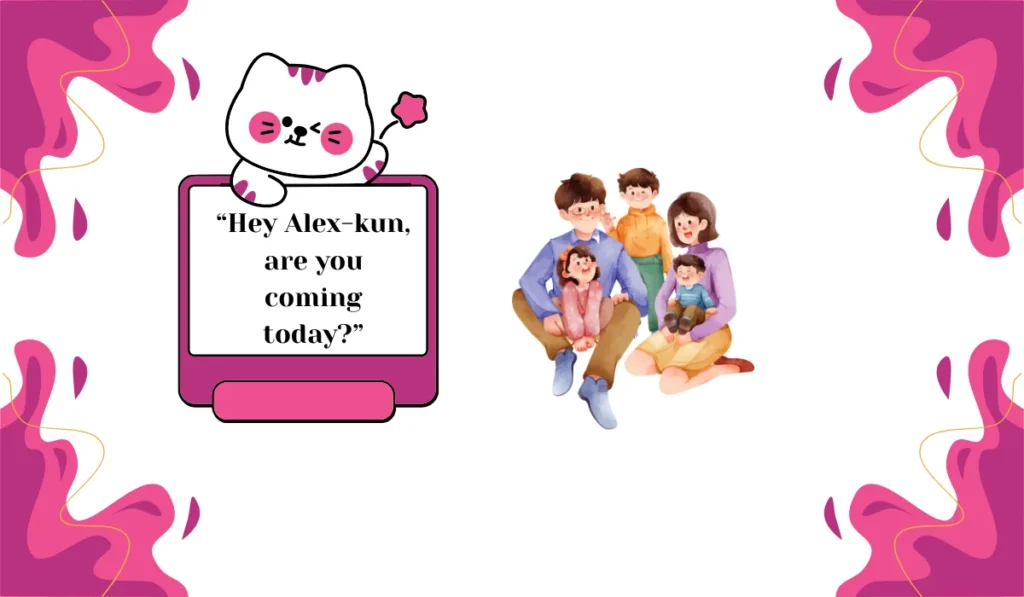
- Example: “Hey Alex-kun, are you coming today?”
- To sound playful or anime-inspired
- Example: “Notice me, senpai-kun 😄”
- In fandom or roleplay conversations
- Example: “Naruto-kun would never give up!”
- As a nickname style
- Example: “Good morning, gamer-kun 🎮”
💬 Where You’ll See It
You’ll most often find kun meaning in text across:
- Anime communities (Discord, Reddit)
- Gaming chats
- TikTok comments
- Fanfiction or roleplay threads
- Casual texting among anime fans
Examples of “Kun” in Conversations
Here are some real-life style examples to help you understand how “kun” is used in modern chats:
🗨️ Casual Chat Example
Friend 1: “Where are you, Ali-kun?”
Friend 2: “On my way 😅”
🗨️ Anime Fan Chat
User 1: “Gojo-kun is the best character!”
User 2: “Facts, he’s OP 🔥”
🗨️ Flirty/Playful Tone
Person A: “You forgot me already, Ahmad-kun? 😏”
Person B: “Never 😂”
🗨️ Gaming Context
Teammate: “Nice move, sniper-kun 🎯”
💡 Pro Tip: When used in English chats, “kun” often adds a cute, humorous, or slightly dramatic tone.
Common Mistakes or Misunderstandings
Even though kun meaning seems simple, people often misuse it. Here are the most common mistakes:
❌ 1. Using It for Females Incorrectly
- “Kun” is typically used for males.
- For females, “-chan” is more appropriate.
👉 Wrong: “Sara-kun is here”
👉 Better: “Sara-chan is here”
❌ 2. Using It in Formal Situations
- “Kun” is informal and should not be used in professional communication.
👉 Avoid in:
- Emails
- Workplace chats
- Academic settings
❌ 3. Overusing It Randomly
- Adding “kun” to every name can sound unnatural or cringe.
👉 Example:
- “Mom-kun, Dad-kun, teacher-kun” ❌
❌ 4. Misunderstanding Cultural Context
- In Japan, honorifics have deeper meaning and social rules.
- Online usage is more relaxed but still inspired by those norms.
Related Slangs or Abbreviations
To fully understand kun meaning in text, you should also know these related terms:
🔗 Common Japanese Honorifics
- Senpai (先輩) – Someone senior or experienced
- Chan (ちゃん) – Cute, affectionate term (often for girls or children)
- San (さん) – Polite, neutral honorific
- Sama (様) – Very respectful, formal
🌐 Internet Slang Similar in Tone
- Bae – Term of affection
- Bro – Friendly male address
- Bestie – Close friend
- Simp – Someone showing excessive affection
🔗 Internal Linking Suggestions
If you’re building a blog, consider linking to:
- “Senpai meaning in text”
- “Chan meaning in anime slang”
- “What does simp mean in chat?”
- “Top anime slang words explained”
Why “Kun” Is Still Trending in 2026
You might wonder—why is kun meaning in text still relevant?
🚀 Reasons for Popularity
- Anime is more mainstream than ever
- TikTok trends revive anime phrases regularly
- Gen Z and Gen Alpha love expressive slang
- Online identities often mix cultures
📱 Recent Usage Trends (2026)
- TikTok captions: “POV: your crush calls you by your name + kun 😳”
- Discord usernames: “Shadow-kun”
- Instagram comments: “Cute boy-kun vibes 💙”
When Should You Use “Kun”?
Here’s a quick checklist to know if using “kun” is appropriate:
✅ Use It When:
- Talking casually with friends
- In anime or fandom contexts
- Making playful or humorous comments
- Roleplaying or storytelling
❌ Avoid It When:
- Writing professional messages
- Talking to someone unfamiliar with anime culture
- Trying to sound formal
FAQs
1. What does “kun” mean in texting?
“Kun” is a casual Japanese honorific used after a name, often for boys, to show familiarity or friendliness.
2. Is “kun” only used for males?
Mostly yes. It’s typically used for boys or young men, though online usage can sometimes be more flexible.
3. Can I use “kun” in English conversations?
Yes but mainly in informal or anime-related contexts.
4. What’s the difference between “kun” and “chan”?
- Kun → usually for males
- Chan → cute, affectionate, often for females or children
5. Is using “kun” cringe?
Not necessarily. It depends on context. Among anime fans, it’s completely normal.
6. Do Japanese people use “kun” the same way online?
Not always. Native usage follows stricter cultural rules than global internet slang.
7. Can girls be called “kun”?
Rarely, but it can happen in specific contexts (like tomboy characters or workplace settings in Japan).
8. Why do anime fans use “kun” so much?
It adds authenticity, emotion, and cultural flavor to conversations.
Conclusion
Understanding the kun meaning in text helps you navigate modern internet culture with confidence.
At its core, “kun” is a friendly, informal suffix used to address someone usually male with familiarity or affection.
Thanks to anime and social media, it has become a global slang term that adds personality and playfulness to conversations.
Use “kun” in casual chats, fandom discussions, or playful messages but avoid it in formal communication. When used correctly, it can make your texts feel more expressive, fun, and culturally aware.
Now it’s your turn!
👉 Share your favorite text abbreviation in the comments and let’s decode it together 🚀